1. Introduction
The United Nations Environment Assembly (UNEA) convened in Nairobi with representatives from 193 countries to address the accelerating global environmental crisis. A major thematic focus was the environmental impact of AI, specifically its rising energy use, water consumption, mineral demand, and lifecycle emissions, alongside its significant potential to support climate action, conservation, and sustainable development.
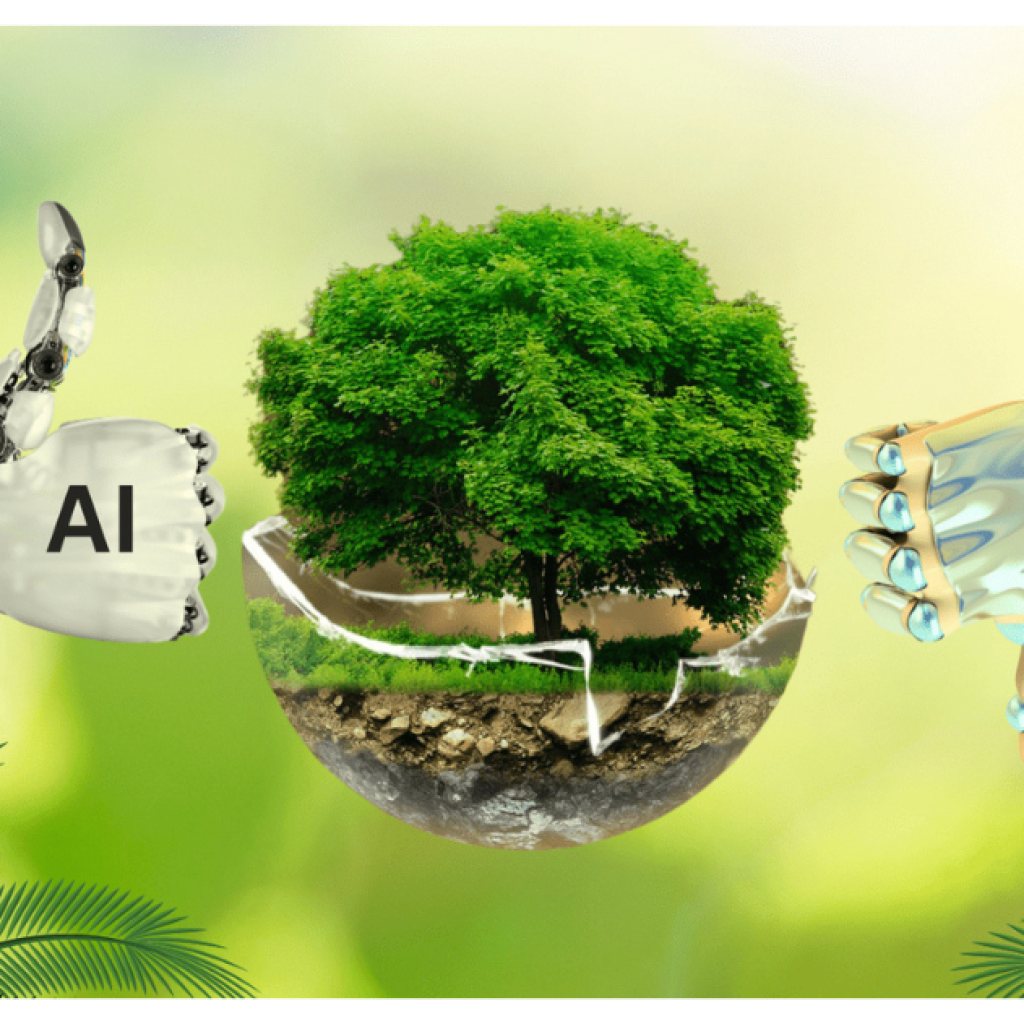
AI is simultaneously a driver of environmental pressure and a critical tool for resilience, positioning it at the center of UNEA debates. The Assembly examined governance mechanisms, sustainability standards, and capacity-building needs for countries, especially in Africa, to ensure AI aligns with global ecological boundaries.
2. Environmental Impact of AI
Negative Impacts
- High Energy Consumption: AI systems require massive electricity inputs, and the rapid expansion of data centers, often powered by fossil-heavy grids, raises global energy demand and CO₂ emissions.
- Water Use: Data centers rely on large volumes of water for cooling, posing significant environmental and economic risks for water-scarce regions such as Kenya.
- Mineral Demand and E-Waste: AI hardware depends on intensive mineral extraction and has short lifecycles, driving unsustainable mining practices and accelerating global e-waste generation.
- Carbon Footprint of Large Models: Training and retraining large AI models produce extremely high emissions, comparable to hundreds of long-haul flights, contributing substantially to the sector’s growing carbon footprint.
Positive Environmental Opportunities
- Climate Modeling and Early Warning: AI improves forecasting for floods, droughts, storms, and heatwaves, and strengthens adaptive planning and long-term climate resilience.
- Biodiversity Monitoring: AI-powered drones, acoustic systems, and satellites track wildlife, detect poaching, and identify habitat changes in real time.
- Sustainable Agriculture: AI systems optimize irrigation, fertilizer use, and pest detection, reducing environmental impacts and increasing yields. Highly relevant for Kenya, where agriculture remains central to the economy and vulnerable to climate shocks.
- Energy Efficiency and Smart Grids: AI enhances energy distribution, renewable integration, load balancing, and demand forecasting.
- Circular Economy and Waste Management: AI technologies improve waste sorting, recycling efficiency, and resource recovery from complex waste streams.
AI can deliver net environmental benefits only if deployed within sustainable operational boundaries and supported by strong governance.
3. Key UNEA Discussions on Sustainable AI
3.1 Draft Resolution on Sustainable AI Systems
- The resolution seeks to regulate AI’s carbon and water footprint to reduce its environmental load.
- It calls for global standards that ensure AI systems are energy-efficient and environmentally responsible.
- It promotes responsible mineral sourcing to minimize harm from extraction and hardware production.
- It requires full lifecycle management of AI hardware from manufacturing to disposal to reduce waste and pollution.
- It strengthens accountability for the environmental impacts of digital infrastructure across all stages of deployment.
3.2 UNEP’s Position on Green AI Governance
- UNEP calls for science-based standards to measure and control AI’s environmental performance.
- It requires lifecycle assessments to evaluate AI sustainability before large-scale deployment.
- It emphasizes aligning AI development with the Paris Agreement, SDGs, and UNEP’s environmental goals.
3.3 Alignment with UNEP’s Medium-Term Strategy (2026–2029)
- AI is recognized as a tool for reducing pollution across sectors.
- It supports climate mitigation and adaptation through improved modelling and resilience systems.
- It can accelerate ecosystem restoration by enhancing monitoring and resource management.
- AI enables more sustainable production and expands opportunities for green financing.
- It strengthens environmental monitoring through advanced data analytics and remote sensing.
3.4 African Priorities Highlighted at UNEA
- African delegates emphasized using AI to advance agriculture, biodiversity protection, and climate resilience.
- They called for equitable access to AI to prevent digital colonization and ensure technological sovereignty.
- They stressed the need for financing to develop green, low-emission digital infrastructure.
- They highlighted Africa’s urgent need to manage rising e-waste linked to digital expansion.
- They prioritized building local AI research capacity and strengthening skills development.
3.5 Governance and Equity Considerations
- Delegates advocated for transparent and accountable AI governance frameworks.
- They emphasized ethical use of both environmental and personal data in AI systems.
- They underscored the importance of ensuring AI benefits are equitably shared with developing nations.
- They called for inclusive AI governance that involves youth, women, and indigenous communities.
4. Actionable Solutions for Kenya
Kenya is emerging as a digital powerhouse and climate leader. UNEA outcomes offer a foundation for Kenya to design Sustainable AI policies that protect the environment while enabling innovation.
4.1 Policy and Regulatory Actions
A. National Green AI Policy (2025–2026)
• Mandatory energy and water reporting for data centers
• Standards and incentives for low-carbon AI
• Lifecycle assessments for major AI systems
• Stronger e-waste/EPR rules
• Alignment with national climate and digital strategies
B. Environmental Standards for Data Centers
• 40–60% renewable energy use by 2030
• Water-efficient/closed-loop cooling
• Real-time monitoring and public disclosure
• Siting guidelines to avoid water-stressed areas
C. Mineral Supply Chain Regulation
• Enforce traceability for AI-related minerals
• Promote ethically certified mining partnerships
• Regional responsible-sourcing frameworks
4.2 Infrastructure and Investments
A. Renewable-Powered Data Centers
• Leverage geothermal, wind, and solar
• Position Kenya as Africa’s leading green AI hosting hub
B. AI-for-Environment Research Labs
• Based in universities, Konza, and public-private labs
• Focus: climate prediction, regenerative agriculture, conservation, air quality, and disaster early warning
4.3 Private Sector and Industry Actions
A. Incentivize Energy-Efficient AI - Tax incentives and innovation grants
B. Green Public Procurement - Prioritize low-emission, repairable, and recyclable ICT hardware
C. National E-Waste Ecosystem - Formalize collectors, build recycling plants, and enforce take-back programs
4.4 Community and Knowledge Actions
A. Public Awareness - Campaigns on digital energy use, waste, and responsible AI
B. Youth and Research Support - Innovation challenges, research funding, and inclusion of women and youth in AI initiatives
4.5 Diplomatic and Global Engagement
A. African Leadership - Lead regional work on sustainable AI governance and standards
B. Mobilize Climate and Innovation Finance - Access GCF, global green funds, international partners, and venture capital for green AI initiatives
Conclusion
Artificial intelligence is reshaping environmental governance and sustainability efforts worldwide. The UNEA discussions in Nairobi underscored a dual reality: AI’s environmental footprint is growing rapidly, yet its capabilities provide unprecedented opportunities for climate resilience, biodiversity protection, pollution reduction, and sustainable development.
Kenya, with its strong climate diplomacy, expanding digital infrastructure, and high renewable energy capacity, is uniquely positioned to lead Africa in sustainable AI development. By adopting green AI policies, investing in renewable-powered digital infrastructure, strengthening research capacity, and promoting inclusive governance, Kenya can ensure AI becomes a driver of environmental protection and long-term national development.