
Table of contents [Show]
Executive Summary
The increasing demand for carbon credits has led to a surge in fraudulent schemes, as highlighted by recent scandals like the $100M CQC Impact Investors cookstove fraud, posing a significant threat to the integrity of carbon markets. African markets, in particular, are vulnerable to greenwashing due to limited regulatory frameworks and lack of expertise. This case study aims to identify the risks associated with fraudulent carbon credit schemes and provide mitigation strategies for African markets to safeguard against greenwashing.
Introduction and Background
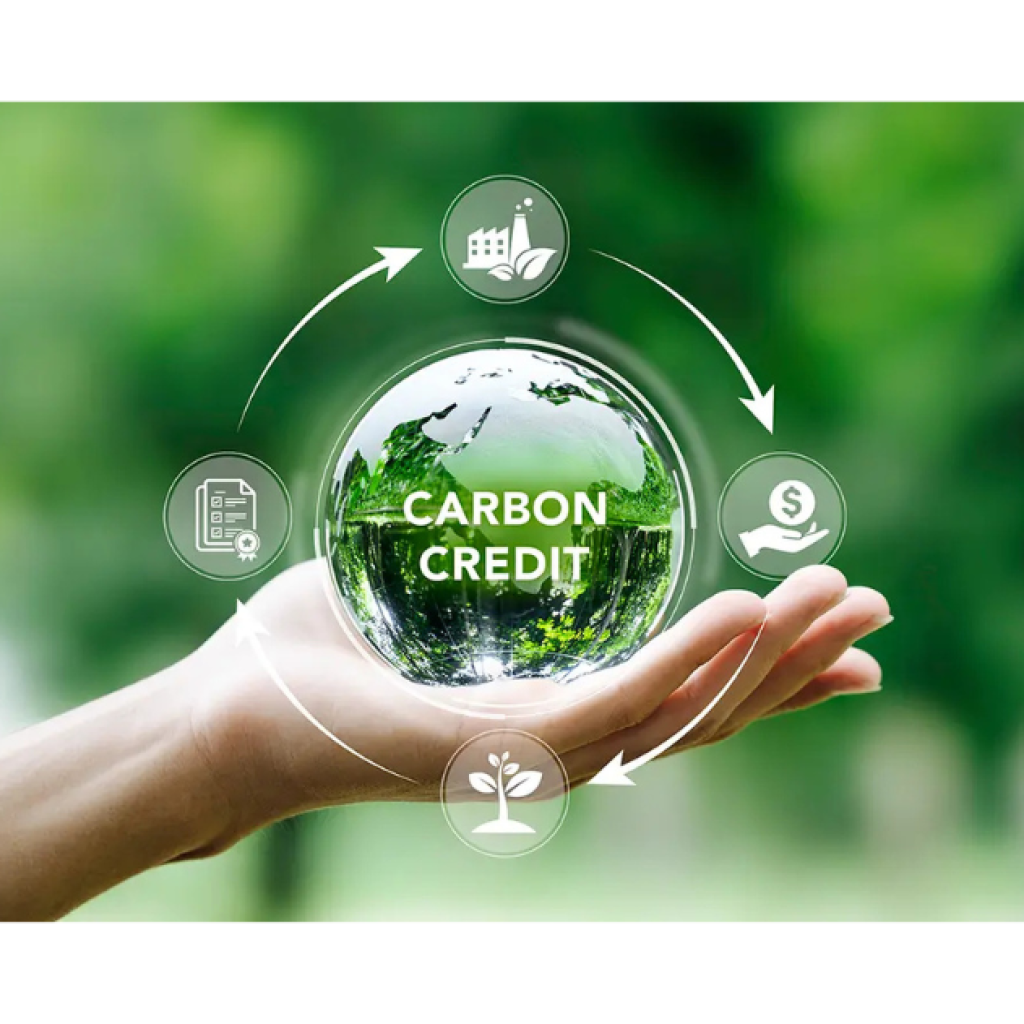
Carbon credits are financial instruments representing the reduction of greenhouse gas emissions, allowing entities to offset their emissions by investing in environmental projects. Africa, with its vast natural resources, has become a focal point for such projects. However, the continent has also witnessed fraudulent schemes undermining the credibility of carbon markets. A notable example is the case of C-Quest Capital. Fraudulent practices threaten market credibility, deterring investors and undermining climate goals.
Data and Analysis
Fraud Risks in Carbon Markets
- Double counting: Issuing multiple credits for the same emission reduction project.
- Non-additional projects: Credits issued for projects that would have been implemented anyway, without any additional emission reduction.
- Lack of verification: Insufficient monitoring, reporting, and verification (MRV) of emission reductions.
- False or misleading claims: Exaggerated or false claims about the emission reduction potential of a project.
- Lack of transparency: Inadequate disclosure of project information, making it difficult to assess credibility.
Case Study:
C-Quest Capital (CQC) Impact Investors’ Cookstove Fraud
- Fraud Mechanism: CQC executives manipulated data from cookstove projects in Africa and South East Asia, falsely claiming emissions reductions.
- Impact: Falsified emissions-reduction data to secure millions of carbon credits and over $100 million in investments.
The C-Quest Capital case highlights several critical issues:
- Project Implementation Flaws: The distributed cookstoves were of poor quality, leading to limited adoption and continued use of traditional cooking methods.
- Data Manipulation: Company executives falsified usage data to claim higher emission reductions, resulting in the over-issuance of carbon credits.
- Lack of Oversight: The absence of stringent monitoring allowed the perpetuation of fraudulent activities, undermining the credibility of the carbon credit system.
Key Findings
- Vulnerability to Fraud: Weak regulatory frameworks and oversight mechanisms in African carbon markets make them susceptible to fraudulent schemes.
- Impact on Communities: Substandard project implementation not only fails to deliver environmental benefits but also adversely affects local communities, as seen with the ineffective cookstoves in the CQC case.
- Erosion of Trust: Fraudulent activities erode investor and public trust, jeopardizing future investments in legitimate carbon reduction projects.
- Intermediary Dominance: Brokers capture most revenue, disincentivizing local participation.
- Progress: The Carbon Accelerator Programme for the Environment (CAPE) and ABACUS show promise in restoring credibility through tech-driven transparency.
Mitigation Strategies for African Markets
- Establish robust regulatory frameworks: Develop and implement strict regulations, guidelines, and standards for carbon credit issuance, verification, and trading, ensuring alignment with international standards.
- Enhance transparency and disclosure: Require project developers to disclose detailed information about their projects, including MRV (Measurement, Reporting, and Verification) reports and emission reduction claims to build trust.
- Implement robust verification and validation processes: Ensure that credits are issued only after thorough verification and validation of emission reductions.
- Develop capacity and expertise: Build local capacity and expertise in carbon market operations, including MRV, verification, and validation.
- Promote stakeholder engagement: Encourage active participation from stakeholders, including civil society, private sector, and government agencies, to ensure that carbon markets are transparent and accountable.
- Use technology to enhance transparency and accountability: Leverage technologies like blockchain, AI and data analytics to track carbon credits, monitor project performance, and detect potential fraud.
- Collaborate with international organizations: Work with international organizations, such as the International Carbon Reduction and Offset Alliance (ICROA), to access expertise, resources and best practices.
Mitigation Initiatives
- CAPE Program: FSD Africa’s $15M accelerator funds high-integrity projects with blockchain traceability.
- ABACUS Label: Certifies credits meeting rigorous social/environmental criteria (LinkedIn, 2024).
- Regulatory Reforms: Kenya’s draft Carbon Credit Trading Act (2025) mandates independent audits.
Recommendations
- Enhance Monitoring & Verification – Mandate independent third-party audits, utilize IoT sensors (e.g., GPS-tracked stoves), and adopt blockchain for transparent data collection.
- Empower Local Communities – Allocate a percentage of carbon credit revenue to local stakeholders and simplify land-rights frameworks to prevent exploitation.
- Improve Market Standards & Pricing – Introduce price floors and link carbon credits to broader co-benefits like biodiversity preservation.
- Foster International Collaboration & Capacity Building – Engage with global certification bodies (e.g., Gold Standard), invest in training programs and create knowledge-sharing platforms for carbon market operations.
References
- Ex-carbon offsetting boss charged in New York with multimillion-dollar fraud. The Guardian
- US adopts first guidelines to shore up carbon credit markets. MarketWatch
- Greenwashing backlash: Case study of South Pole, Verra
- GreenGrants: East Africa Carbon Challenges (2025)
- LinkedIn: ABACUS Label & Verification (2024)
- FSD Africa: CAPE Launch (2025)
- Welthungerhilfe: Gulf States & Greenwashing (2025)